Propaganda has been a tool of power for as long as there have been people to manipulate. From governments rewriting history to corporations selling you happiness in a bottle, it’s everywhere. And if you think it’s a relic of the past, something only dictatorships like to dabble in, think again.
Propaganda is also a recurring theme in science fiction because the genre often explores the manipulation of reality, the control of information, and the power of technology—all fertile ground for the use of propaganda. As a writer of science fiction and fantasy, I am interested in propaganda and it’s use in media. So many great tv shows and movies explore propaganda as a thematic element. Even scarier are the movies and tv shows that depict realistic uses of propaganda that’s not scifi or fantasy. But back to the future…
Science fiction allows creators to exaggerate these elements to explore their consequences on a grand scale. Whether it’s a dystopian future where governments or corporations control every aspect of life, or an alien society where propaganda is used to maintain order, sci-fi provides the perfect backdrop for examining how truth can be twisted to serve those in power.
Did You Know There Are 8 Different Types of Propaganda?
The genre’s speculative nature also enables writers and filmmakers to explore what happens when propaganda goes unchecked, pushing audiences to consider the dangers in our own world. Sci-fi serves as a warning, showing us the possible futures we might face if we allow propaganda to shape our reality without question.
Let’s take a look at some TV shows and movies that have tackled the theme of propaganda, with a nod to how these fictional worlds aren’t so far from our current reality.
1 The Man in the High Castle (2015-2019)
Imagine an alternate history where the Nazis and the Japanese won World War II, and the United States is sliced in two, each side dominated by propaganda that rewrites history and justifies atrocities. That’s the premise of The Man in the High Castle, where propaganda isn’t just a tool—it’s the very fabric of reality.
Sound far-fetched? Consider how modern governments and media outlets around the world still use historical revisionism to mold national identity. Russia, anyone? Or how about the debates over what version of history should be taught in American schools? The show’s unsettling premise hits close to home when you realize that shaping public perception is still very much a game of power.
2 Black Mirror – “Fifteen Million Merits” (2011)
In Black Mirror’s “Fifteen Million Merits,” we’re dropped into a dystopian world where people spend their lives earning merits to escape their drudgery, all while being fed a steady diet of propaganda disguised as entertainment. The lines between reality TV and news blur, much like today, where entertainment media often packages reality to fit a narrative.
The show’s biting commentary on how we’re lulled into complacency by the media has only grown more relevant, especially when considering how social media algorithms now tailor content to keep us engaged—and controlled. Much like in the episode, we’re earning our merits, but are we paying attention to who’s cashing in?
3 The Handmaid’s Tale (2017-present)
The Handmaid’s Tale offers a chilling look at how propaganda can be used to justify the most horrific societal norms. In the dystopian world of Gilead, religious and moral propaganda are wielded to subjugate women and maintain control.
Fast forward to our own time, and the echoes of Gilead’s rhetoric can be heard in debates about reproductive rights and gender roles. The show’s portrayal of a society where propaganda is used to enforce submission isn’t just fiction—it’s a warning. Countries around the world, including the U.S., continue to grapple with how religious and ideological beliefs are propagated through media and politics to shape law and culture.
4 1984 (1984)
1984, the film adaptation of George Orwell’s classic, throws us into a world where propaganda isn’t just a tool—it’s a way of life. The government controls reality itself, rewriting history and dictating what’s true. The phrase “Big Brother is watching” has become a cliché, but it’s one that still resonates.
Surveillance, data collection, and government spin aren’t just Orwellian nightmares; they’re modern realities. The recent debates over digital privacy and government overreach prove that 1984’s warnings about the dangers of propaganda and totalitarianism are more relevant than ever.
5 V for Vendetta (2005)
In V for Vendetta, a masked vigilante battles against a totalitarian regime that uses fear and media manipulation to keep the population in check. The government’s propaganda machine is relentless, controlling the narrative to maintain power. Does this sound eerily familiar? With the rise of authoritarian leaders worldwide who control the press, stifle dissent, and use fear to stay in power, the film’s message is clear: beware of the media you consume, for it may be feeding you the very lies that keep you oppressed.
The parallels to current events in places like Russia, North Korea, and even the use of certain media outlets in the U.S. to push specific political agendas, make V for Vendetta a stark reminder that freedom of thought is always under siege.
6 Wag the Dog (1997)
When a sex scandal threatens to bring down the President, a spin doctor and a Hollywood producer team up to create a fake war in Wag the Dog. It’s all smoke and mirrors, designed to distract the public and keep the real issues buried. If this sounds like something that could only happen in a movie, think again.
Political distraction is a time-honored tradition, whether it’s in the form of sudden military actions, as seen in various conflicts around the globe, or in the relentless cycle of sensational news that drowns out more critical discussions. The film’s exploration of how easily public opinion can be swayed by a manufactured reality is a cautionary tale for our media-saturated world.
7 The Truman Show (1998)
In The Truman Show, Truman Burbank lives an idyllic life, or so he thinks, until he realizes that his entire world is a carefully constructed lie, broadcast 24/7 as a reality TV show. The manipulation is subtle, but it’s total—every aspect of his life is controlled for someone else’s entertainment. The idea that our lives could be shaped by forces beyond our control is more relevant today than ever.
With the rise of social media, targeted advertising, and data mining, we’re all a bit like Truman—watched, manipulated, and influenced in ways we’re only beginning to understand. The film’s exploration of reality versus perception is a poignant reminder to question the narratives presented to us.
8 They Live (1988)
They Live follows a drifter who discovers sunglasses that reveal the world is controlled by aliens using subliminal messaging to keep humanity compliant. It’s a campy, cult classic, but its commentary on consumerism and media manipulation hits surprisingly close to home.
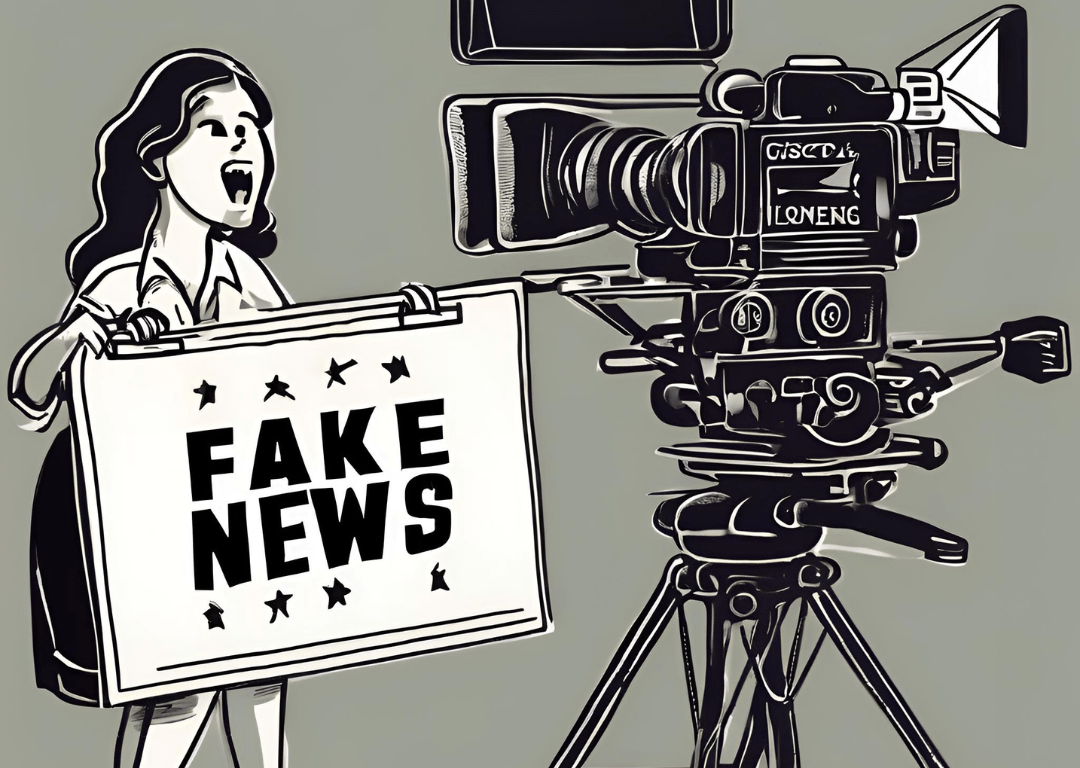
The idea that we’re being subtly controlled by forces we can’t see is a perfect metaphor for the way modern propaganda works—through advertising, news, and entertainment that shape our desires and beliefs. In a world where “fake news” and misinformation are rampant, They Live is a reminder that not everything we see is what it seems.
9 Triumph of the Will (1935)
Triumph of the Will is a Nazi propaganda film that glorifies Hitler and the Third Reich, showcasing how propaganda can be used to manipulate an entire nation into complicity. It’s a chilling example of how media can be used to promote hate and authoritarianism.
While this kind of overt propaganda might seem like a relic of the past, consider how modern authoritarian regimes still use similar tactics to control their populations. From state-controlled media in North Korea to the use of propaganda in Russia to justify aggression, the film’s legacy lives on as a stark warning of how dangerous propaganda can be.
10 Good Night, and Good Luck (2005)
Set during the Red Scare, Good Night, and Good Luck tells the story of journalist Edward R. Murrow’s battle against Senator Joseph McCarthy’s anti-communist witch hunts. It’s a film about the power of the press to challenge government propaganda and protect democracy.
In today’s climate, where press freedom is under threat in many parts of the world, and where “fake news” is used as a weapon against truth-telling, the film’s message is more relevant than ever. The ongoing struggle between government power and a free press continues to shape our world, making this film a must-watch for anyone concerned about the future of democracy.
11 Network (1976)
Network is a scathing critique of the television industry, where a news anchor’s mental breakdown is exploited for ratings. The film explores how news can be commodified and manipulated to serve corporate interests, rather than the public good.
In an era of 24-hour news cycles, infotainment, and media conglomerates, Network’s warnings about the dangers of sensationalism and the erosion of journalistic integrity are as pertinent as ever. As media outlets increasingly prioritize profit over truth, the film’s portrayal of a media landscape driven by ratings rather than reality is a sobering reflection of our times.
In each of these films and TV shows, propaganda isn’t just a backdrop; it’s a central character, shaping events and controlling minds. And while these stories may be fictional or historical, the themes they explore are far from irrelevant today.
As media continues to evolve and new forms of propaganda emerge, these cautionary tales remind us to stay vigilant, question the narratives we’re fed, and recognize that the battle for truth is never truly over.
About The Author

Esme Addison
…is the author of An Intrigue Of Witches.The first book in the scifi-fantasy mystery series, The Secret Society Mysteries follows a historian as she unravels the lies America has been told about their founding.
 The Speculative South