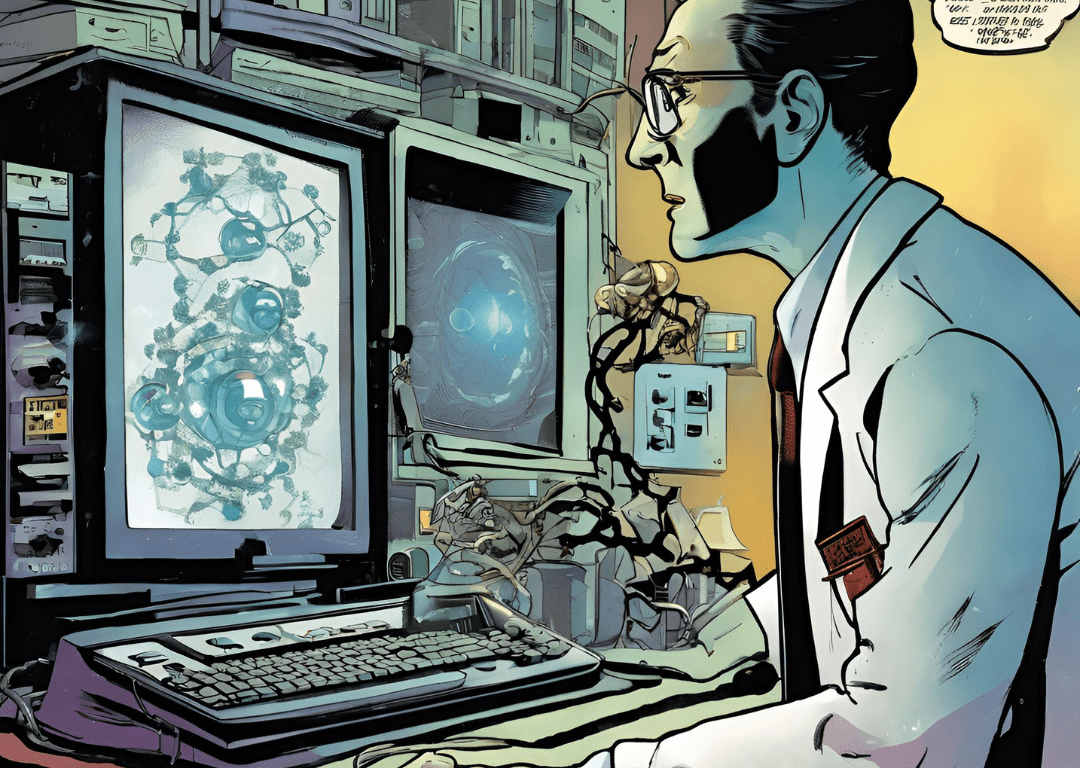
The concept of a human being fully controlled by AI is more science fiction than current reality, but there are real-world technologies and research developments that hint at the possibilities and challenges of such a scenario. Even though it’s only a common trope in science fiction tv, movies and books, people influenced by AI could be coming to a town near you.
If it’s not already happening.
Here’s a breakdown of relevant technologies and their potential implications:
8 Times Hollywood Told You Something Interesting About AI
1. Brain-Computer Interfaces (BCIs)
BCIs, or brain-machine interfaces, allow for direct communication between the brain and external devices. Companies like Neuralink and researchers in various fields are developing BCIs that can help with medical conditions, such as paralysis, by enabling people to control prosthetic limbs or computer cursors with their thoughts.
While current BCIs can interpret brain signals to control devices, achieving full control over a human’s actions through AI would require a level of sophistication beyond today’s technology. BCIs are still in their early stages and focus primarily on restoring function rather than controlling the brain.
2. Neural Implants
Neural implants, such as those used in deep brain stimulation (DBS) for treating Parkinson’s disease, involve placing electrodes in specific brain regions to influence neural activity.
While these implants can modulate brain activity, they are used to alleviate symptoms of neurological disorders rather than to control or alter behavior extensively. Research is ongoing into how these implants can influence cognitive and emotional processes, but full control remains speculative.
3. Artificial Intelligence and Machine Learning
AI and machine learning algorithms can analyze and predict human behavior based on large datasets. These technologies are used in various applications, from recommendation systems to autonomous vehicles.
AI can influence behavior through targeted advertising, personalized content, and even social media algorithms that shape perceptions and decisions. However, the idea of AI having direct control over individual actions is far from being realized and raises significant ethical and practical challenges.
Mission Impossible: Dead Reckoning and the Intriguing World of Predictive Programming
4. Genetic Engineering and Biotechnology
Advances in genetic engineering, such as CRISPR-Cas9, allow for precise modifications to the human genome, which could theoretically influence traits and susceptibility to diseases.
While genetic engineering can have profound effects on health and development, using it to exert control over human behavior is speculative and fraught with ethical dilemmas. The focus of genetic research remains on curing diseases and improving health rather than controlling human behavior.
5. Neural Networks and Cognitive Science
Neural networks, modeled after the human brain, are used in AI to recognize patterns and make decisions. Cognitive science explores how the brain processes information, which can inform the development of more advanced AI systems.
While neural networks can simulate certain aspects of human cognition, they do not possess the nuanced understanding or intent required for full control over human behavior. Cognitive science aims to understand brain function but is not yet at a point where it can enable AI to control human thoughts or actions directly.
While the idea of a human being fully controlled by AI is intriguing and a common theme in science fiction, real-world technologies are far from achieving this level of control. Advances in BCIs, neural implants, AI, genetic engineering, and cognitive science provide valuable insights into human-AI interactions but currently focus on enhancing capabilities or treating medical conditions rather than complete control.
The ethical and practical implications of such control also present significant hurdles that make this concept more speculative than imminent.
About The Author

Esme Addison
…is the author of An Intrigue Of Witches.The first book in the scifi-fantasy mystery series, The Secret Society Mysteries follows a historian as she unravels the lies America has been told about their founding.
 The Speculative South