
I’m an author of cozy mysteries. And in the past, I only used X to talk about cozy living, small-town, southern living and books. But I’ve recently begun using X to share my thoughts on political issues and dive into other controversial conversations. I have realized that the world is going topsy turvy and it’s time for good people to speak up.
So, I’m speaking.
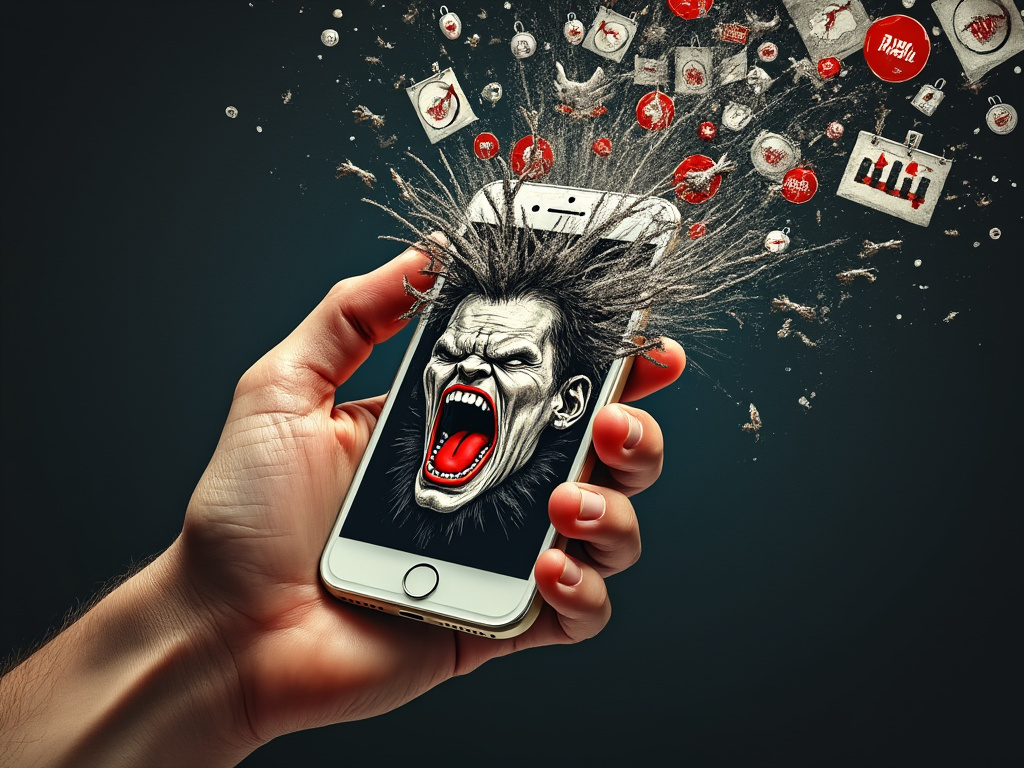
But as I navigate my way to a darker, meaner side of X where posts about politics giveaway to anger and negative talk, I’ve thought about how detrimental social media can be. How dark and murky and negative, when people who many times are hiding behind faceless accounts and saying mean things, flinging insults and calling name in a way they wouldn’t in real life.
And it gave me the idea for this article.
Thank goodness Elon Musk purchased X, a place where free speech has a home. But have you ever wondered why social media seems to amplify the worst in people? It’s not just your imagination—this phenomenon is deeply rooted in how these platforms work. When individuals hide behind anonymous tags, they often become more hostile, using rude remarks, name-calling, and even profanity. This hostility doesn’t just stop at general insults, it frequently escalates into racially charged attacks and slurs, targeting individuals based on their racial identity rather than engaging with the content of their posts.
The Rise of Hostility and Incivility
Social media platforms, while designed to connect people, often become breeding grounds for incivility. The anonymity provided by these platforms allows individuals to say things they wouldn’t dare utter in person. This anonymity can lead to an increase in hostile behavior, including name-calling and using profanity. When combined with the capacity for racial slurs and attacks, the result is a toxic online environment.
This hostility is not merely a byproduct of social media; it’s embedded in the very structure of these platforms. The algorithms that drive engagement often reward controversial and inflammatory content, encouraging users to post more extreme opinions and responses. This can turn conversations into battlegrounds where the focus shifts from constructive dialogue to personal attacks.
The Impact on Society
The rise in hostile behavior on social media has far-reaching consequences. When discussions devolve into personal attacks, especially those based on racial identity, it erodes the fabric of civil discourse. Instead of debating ideas or engaging with differing perspectives, users are drawn into conflicts fueled by insult and prejudice.
This trend isn’t just about individual interactions; it reflects a broader societal issue. As hostility and incivility become more common online, they contribute to a culture of division and animosity. When people are constantly exposed to hostile interactions, it can lead to increased polarization and a breakdown in community cohesion.
Why This Might Be One of Social Media’s Objectives
It’s worth considering whether this escalation of hostility is, in some way, an intentional outcome of social media design. Platforms thrive on engagement, and controversial content tends to generate more interaction. By promoting content that sparks outrage or debate, these platforms may inadvertently (or perhaps even intentionally) encourage a cycle of hostility. This keeps users engaged but at the cost of fostering a healthy and respectful discourse.
How to Combat Hostility and Foster Kindness
Despite the challenges, there are ways to counteract this trend and promote a more humane and respectful online environment. Here are a few strategies:
- Lead by Example: Model respectful and constructive behavior in your interactions. Avoid engaging in name-calling or using derogatory language, even when confronted with hostility.
- Address Behavior, Not Identity: Focus on discussing ideas and content rather than attacking individuals based on their racial identity or personal characteristics.
- Report and Block: Utilize platform tools to report and block users who engage in hostile or abusive behavior. This helps create a safer online space for everyone.
- Encourage Empathy: Engage with others in a way that fosters understanding and empathy. Remember that behind every screen is a person with their own experiences and perspectives.
- Promote Positive Discourse: Share and support content that encourages respectful dialogue and constructive debate. Highlight and amplify voices that advocate for kindness and mutual respect.
While the hostile and rude behavior on social media poses significant challenges, there are steps we can take to foster a more respectful and empathetic online environment. By addressing hostility, focusing on constructive dialogue, and leading by example, we can work towards a more positive and inclusive digital community.
 The Speculative South